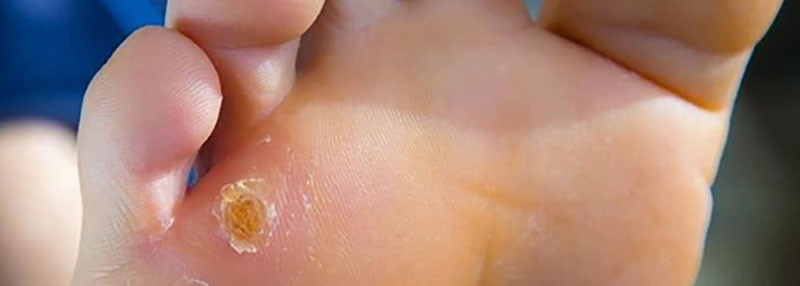
Evaluation: A healthcare professional, usually a podiatrist or dermatologist, will examine the corn to confirm the diagnosis and determine the best method for removal.
Anesthesia (optional): Depending on the size and location of the corn and the patient's pain tolerance, the doctor may administer a local anesthetic to numb the area and reduce discomfort during the procedure.
Corn Removal: There are different methods to remove corns, including:Cutting, Salicylic Acid, Cryotherapy, Laser Therapy.
Aftercare: After the procedure, the area may be dressed with a sterile bandage or left open to heal. The patient will receive instructions on wound care, which may include keeping the area clean and dry and avoiding pressure or friction on the treated area.
Corn excision is usually a straightforward and quick procedure, and patients can often resume their regular activities shortly after the treatment. However, it's important to follow the healthcare provider's instructions for proper aftercare to prevent infection and ensure proper healing.
It's essential to seek professional medical advice from a qualified healthcare provider before attempting to remove a corn at home or using over-the-counter treatments, as improper removal can lead to complications and potentially worsen the condition. A healthcare professional can provide personalized advice and appropriate treatment based on the specific characteristics of the corn and the patient's medical history.
Copyright © 2023 Dr. Sunita Patel. All Rights Reserved,
