Nail Avulsion
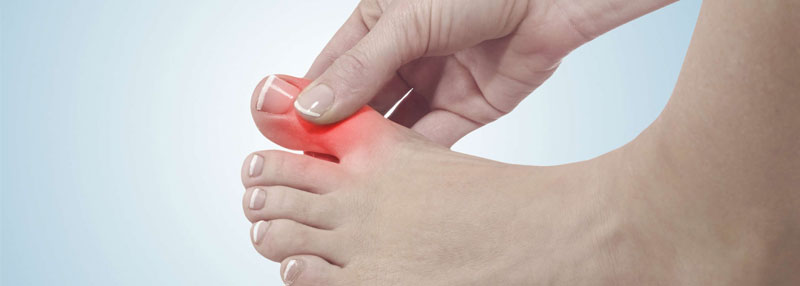
Nail avulsion is a medical procedure in which a part or the entire nail is removed from its bed. It is typically performed when a nail becomes severely damaged, infected, or if there are conditions that cause chronic pain or inhibit proper nail growth. There are two main types of nail avulsion:
Partial Nail Avulsion: Partial nail avulsion involves the removal of only a portion of the nail, usually one or both sides, while leaving the rest of the nail intact.
The partial nail avulsion procedure typically involves the following steps:
Anesthesia: Local anesthesia is administered to numb the toe, preventing pain during the procedure.
Nail Trimming: The doctor trims or cuts away the affected portion of the nail that is causing the problem.
Total Nail Avulsion: Total nail avulsion is the complete removal of the entire nail, including the nail plate and its matrix (the tissue beneath the nail responsible for nail growth).
The total nail avulsion procedure usually involves the following steps:
Anesthesia: Local anesthesia is administered to numb the toe or finger.
Nail Removal: The entire nail, including the matrix, is carefully removed to prevent further nail growth.
After both types of nail avulsion, the wound is typically dressed with a sterile bandage, and the patient may receive instructions on how to care for the area during the healing process.
It's important to note that nail avulsion procedures should be performed by a qualified healthcare professional, such as a podiatrist or dermatologist, to minimize the risk of complications and ensure proper wound care and healing. Additionally, after the procedure, the patient may need to follow specific post-operative instructions to promote healing and prevent infection.
As with any medical procedure, there are risks and potential complications, so it's essential to discuss the procedure, its benefits, and potential risks with a healthcare provider before deciding to undergo nail avulsion.
