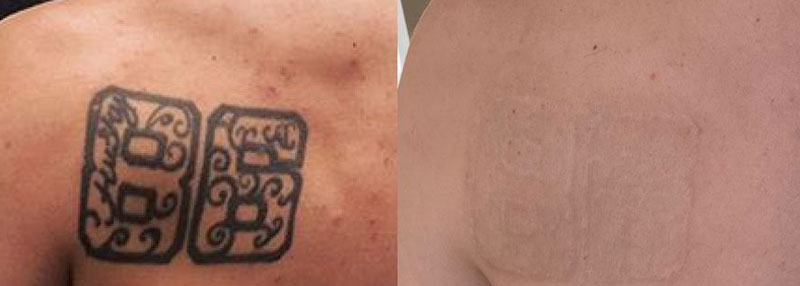
Laser tattoo removal is a cosmetic procedure that uses laser technology to remove or fade unwanted tattoos. It is considered one of the most effective methods for tattoo removal. Here's how laser tattoo removal works:
Procedure: During the procedure, the patient typically wears protective eyewear to shield their eyes from the laser light. A handheld laser device is used to deliver short bursts of high-energy laser light to the tattooed area.
Multiple Sessions: Tattoo removal is a gradual process, and multiple treatment sessions are usually required to achieve the desired results. The number of sessions needed depends on several factors, including the size, color, age, and depth of the tattoo, as well as the individual's skin type.
Pain and Discomfort: The sensation during laser tattoo removal is often described as feeling like the snapping of a rubber band against the skin. While it can be uncomfortable, most patients find it tolerable. Topical numbing creams or cooling methods may be used to minimize discomfort.
Aftercare: After each session, patients are typically advised to keep the treated area clean and protected from sun exposure. Over-the-counter ointments or creams may be recommended to aid in the healing process.
Results: After a series of treatments, the tattoo gradually fades, and the ink particles are broken down and eliminated by the body's immune system. It's important to note that complete tattoo removal may not always be achievable, and there may be residual traces of ink or scarring in some cases.
It's important to consult with a licensed dermatologist or experienced practitioner to assess your tattoo, discuss your goals, and determine if laser tattoo removal is a suitable option for you. They can provide you with a personalized treatment plan and help manage expectations regarding the removal process and potential outcomes.