Molluscum Extraction
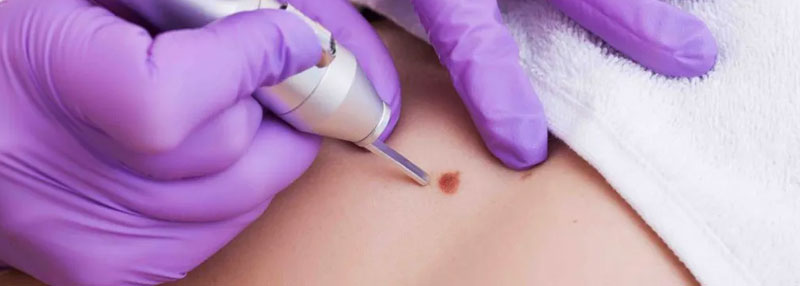
Molluscum extraction, also known as molluscum removal, is a medical procedure performed to eliminate molluscum contagiosum, a viral skin infection that results in small, flesh-colored, dome-shaped bumps on the skin. These bumps are usually painless but can be itchy and may spread to other areas of the body or to other people through direct skin-to-skin contact.
The extraction process typically involves the following steps:
Evaluation: A healthcare professional, usually a dermatologist, will examine the molluscum lesions to confirm the diagnosis and determine the extent of the infection.
Anesthesia (optional): Depending on the number and location of the lesions, the doctor may use a local anesthetic to numb the area, especially if a large number of molluscum lesions need to be removed or if they are located in sensitive areas.
Extraction Techniques: There are several methods for removing molluscum contagiosum lesions. The choice of technique depends on factors such as the size and location of the lesions, the patient's age, and the doctor's preference. Common extraction methods include:
Curettage: In this method, the doctor uses a small, spoon-shaped instrument called a curette to scrape or scoop out the molluscum bumps.
Cryotherapy: This involves freezing the lesions with liquid nitrogen, causing them to blister and eventually fall off.
Laser Therapy: A laser is used to destroy the molluscum lesions.
Topical Medications: In some cases, the doctor may prescribe topical medications that can be applied directly to the lesions to help them clear up.
It's important to remember that molluscum contagiosum is a viral infection, and new lesions may continue to appear even after removal. Additionally, the virus can be spread to other areas of the body through scratching or to other individuals through direct skin contact, so it's essential to take precautions to prevent its spread.
